How To Talk So Little Kids Will Listen
A Survival Guide to Life with Children Ages 2-7
What's it about?
How To Talk So Little Kids Will Listen offers practical strategies for effective communication with young children. You’ll discover techniques to reduce conflict and foster cooperation, such as using empathy and playful language. The book emphasizes the importance of active listening and encourages you to validate your child’s feelings, making them feel heard. You’ll learn how to set clear expectations and guide behavior positively, ultimately strengthening your relationship with your child while navigating everyday challenges.
About the Author
Joanna Faber, co-author of "How to Talk So Little Kids Will Listen," focuses on practical communication strategies for parents and educators. Her work emphasizes empathy, respect, and effective dialogue with children. Her writing is accessible, grounded in real-life scenarios, and offers actionable advice for fostering positive adult-child interactions.
5 Key Ideas of How To Talk So Little Kids Will Listen
Acknowledge Feelings to Foster Connection
Recognizing a child's emotions builds trust and opens pathways to effective communication.
Imagine a small child in a meltdown because their cup isn't pink. While we might see this as trivial, acknowledging their disappointment by saying, 'You really wanted the pink cup, didn't you?' can transform the interaction. It shows understanding and respect for their feelings, effectively calming the storm.
- Validating emotions prevents emotional build-up and explosive behavior.
- Children feel understood, which fosters a sense of security and openness.
- Recognition of feelings is a stepping stone to problem-solving and cooperation.
Today, instead of dismissing your child’s frustration, verbalize their feelings, e.g., 'You seem really upset about leaving the park.'
Avoid offering solutions immediately. Resist the urge to fix the problem right away; focus on acknowledging emotions first.
Turn No into a Creative Yes
Redirecting refusals into alternative options reduces conflict and inspires cooperation.
Picture a child refusing to put on shoes for the park. Instead of insisting, try saying, 'Would you like to hop to the car like a bunny or stomp like a dinosaur?' suddenly, compliance becomes part of their imaginative play.
- Providing choices empowers children, making them feel in control.
- Transforming no to yes helps maintain a positive atmosphere while achieving the desired outcome.
- Encouraging participation reduces power struggles by involving children in decision-making.
Next time your child resists a task, offer two choices that lead to the same outcome and make it fun.
Don’t offer unlimited choices. Limit options to prevent overwhelming your child.
Descriptive Praise Builds Inner Strength
Specific acknowledgments of effort and detail cultivate self-esteem and intrinsic motivation.
Think about complimenting a child on a painting by saying, 'I see you used red and blue to make purple! A real artist’s touch!' This ensures they recognize their efforts, not just the outcome, fueling their confidence and creativity.
- Descriptive praise boosts self-awareness and understanding of strengths.
- It encourages children to value effort, promoting resilience and a growth mindset.
- Providing specifics enhances children's capacity to assess their own achievements.
Identify a small achievement in your child’s day and describe what you see—'You stacked those blocks really high.'
Avoid vague accolades like 'Good job'; instead, highlight specific behaviors or aspects.
Deeper knowledge. Personal growth. Unlocked.
Unlock this book's key ideas and 15M+ more. Learn with quick, impactful summaries.
Read Full SummarySign up and read for free!
How To Talk So Little Kids Will Listen Summary: Common Questions
 By Farid Asadi
“When kids feel heard, they are more likely to listen.” This quote from How To Talk So Little Kids Will Listen by Joanna Faber encapsulates the essence of the book. It delves into practical strategies for communicating effectively with young children, emphasizing the importance of validation and empathy in conversations. Faber and her co-author, Julie King, weave together real-life anecdotes, along with well-researched techniques that can help parents navigate the often tumultuous waters of parenting.
One aspect that really hooked me was the chapter on problem-solving through storytelling. I loved how they illustrated the power of turning tricky situations into narratives, allowing children to understand their feelings and dilemmas better. Some of their methods, like the "Choice Game," left me scratching my head initially, but as I delved deeper, I recognized the method's potential to empower kids by giving them agency. The book also reflects the kind of insights found in The Whole-Brain Child by Daniel J. Siegel, blending psychology with practical parenting advice.
Overall, How To Talk So Little Kids Will Listen is a must-read for any parent or caretaker who wants to deepen their communication with young children. It's a refreshing take on parenting that is both enlightening and actionable, making it a fantastic supplement to any parenting bookshelf.
 By Mohammad Yekta
Experience Personalized Book Summaries, Today!
Discover a new way to gain knowledge, and save time.
Sign up for our 7-day trial now.
No Credit Card Needed
Similar Books

A Candle for Kiri
Edna Mae Holm
50 Things Every Young Lady Should Know
Kay West
To Kill a Mockingbird
Harper Lee
Romeo and Juliet
Jill L. Levenson
A Reader's Guide to Sandra Cisneros’s The House on Mango Street
Ann Angel
Financial Peace
Dave Ramsey
Feeling Good
David D. Burns
Rich Dad Poor Dad
Robert T. Kiyosaki
Daring Greatly
Brené Brown
Emotional Intelligence
Daniel GolemanTrending Summaries

Peak
Anders Ericsson
Never Split the Difference
Chris Voss
Smart Brevity
Jim VandeHei
The Psychology of Money
Morgan Housel
The First 90 Days
Michael D. Watkins
Atomic Habits
James Clear
Thinking, Fast and Slow
Daniel Kahneman
The Body Keeps the Score
Bessel van der Kolk M.D.
The Power of Regret
Daniel H. Pink
The Compound Effect
Darren HardyNew Books

The Daily Stoic 10th Anniversary Edition
Ryan Holiday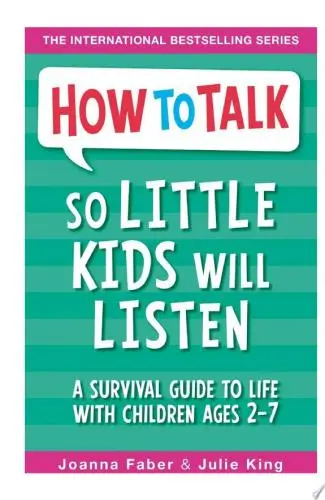
How To Talk So Little Kids Will Listen
Joanna Faber
Serpent Rising
Neven Paar
Super Mario Encyclopedia: The Official Guide to the First 30 Years
Nintendo
Make Yourself Unforgettable
Dale Carnegie Training
SCRATCH YOUR OWN ITCH: Turning Personal Needs into Purposeful Action
DR. NEERAJ TIWARI
Autobiography of a Yogi
Sri Sri Paramahansa Yogananda
Batman: The World
Various
Life in the White House
Robert P. Watson

 Sign up with Google