
Life in the White House
A Social History of the First Family and the President's House
What's it about?
Life in the White House by Robert P. Watson offers you a fascinating glimpse into the daily routines and challenges faced by U.S. presidents and their families. You’ll discover the intricate balance between public duty and personal life, highlighting the unique experiences that define life in the nation's most iconic residence. The book delves into historical anecdotes, revealing how various leaders adapted to the pressures of their role, and provides insights into the evolving nature of the presidency. You’ll gain a deeper understanding of the human side of political leadership.
About the Author
Robert P. Watson is a historian and author known for his works on American politics and history. His writing often emphasizes presidential studies, civic engagement, and political reform. Watson's style combines scholarly rigor with accessible prose, offering insightful analyses of historical events and figures, focusing on their impact on contemporary society.
5 Key Ideas of Life in the White House
Mastering the Art of Adaptation
Embracing adaptability allows you to not only survive but thrive in ever-changing environments.
Consider the new president acclimating to the White House; much like starting a new job, they quickly adapt to the unique demands and routines of this iconic residence.
- Flexibility in mindset allows you to manage unexpected changes effectively.
- Adaptability fosters continuous learning, essential for personal and professional growth.
- Those able to adapt innovate more readily, leading to creative solutions and opportunities.
Pick one habit to change this week as a practice in adapting to new environments.
Avoid rigid planning; instead, build plans that allow room for spontaneous changes and new opportunities.
The Power of Curiosity
Staying curious opens doors to continuous learning and unexpected insights.
The mystery behind the inner workings of the White House often sparks curiosity, leading to greater public interest and learning.
- Curiosity prompts you to ask questions, leading to deeper understanding and knowledge.
- It keeps you engaged, making the world around you a constant source of inspiration and innovation.
- Curiosity enhances problem-solving skills by motivating you to explore all avenues.
Ask a 'why' or 'how' question about a current project or situation, then research or brainstorm it to expand your knowledge.
Don't let fear of asking 'silly' questions hold you back; often, these questions lead to the most profound insights.
Balancing Tradition with Innovation
Striking a balance between valuing tradition and embracing innovation allows for respectful yet progressive advancement.
The White House embodies both historical tradition and modern advancements, serving as a symbol of how the past and future coexist.
- Traditions provide a sense of identity and stability, anchoring you during times of change.
- Innovation propels you forward, ensuring you don't become stagnant and irrelevant.
- Integrating the two allows for growth that respects what has paved the way before it.
Identify one personal tradition and think of a new twist you could add to keep it fresh and relevant.
Avoid the trap of tradition for tradition's sake, which can stifle growth if not periodically reassessed.
Deeper knowledge. Personal growth. Unlocked.
Unlock this book's key ideas and 15M+ more. Learn with quick, impactful summaries.
Read Full SummarySign up and read for free!
Life in the White House Summary: Common Questions
 By Farid Asadi
“One of the most significant roles a president plays is that of a steward of the American spirit.”
I just finished Life in the White House by Robert P. Watson, and it’s a fascinating deep dive into the traditions, struggles, and complexities of presidential life. Watson illustrates how the physical space of the White House transcends mere architecture, becoming a symbol of both power and responsibility. I was particularly hooked by the anecdotes highlighting presidents' personal lives and how their decisions shaped not just the nation, but their own families.
What left me scratching my head a bit was the stark contrast between the public personas and private realities of presidents—especially how historical events influenced their domestic lives. Comparisons to William Spindle's “The White House: An Illustrated History” provided a visual context that enriched the narrative. Overall, Watson’s narrative is both educational and engaging, making history feel alive rather than just a collection of dates and events. If you’re intrigued by American history or politics, I highly recommend you give this book a read!
 By Mohammad Yekta
Experience Personalized Book Summaries, Today!
Discover a new way to gain knowledge, and save time.
Sign up for our 7-day trial now.
No Credit Card Needed
Similar Books

Super Mario Encyclopedia: The Official Guide to the First 30 Years
Nintendo
Batman: The World
Various
The White Night of St. Petersburg
Michel (Prince of Greece)
White Rage
Carol Anderson
Band of Brothers
Stephen E. Ambrose
Defining Sexism
Elizabeth Hall Magill
Class Matters
The New York Times
The New World Order
Allen Roesch
Irvine Welsh
Robert Morace
To Kill a Mockingbird
Harper LeeTrending Summaries

Peak
Anders Ericsson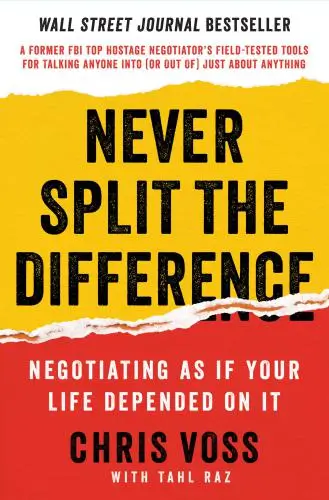
Never Split the Difference
Chris Voss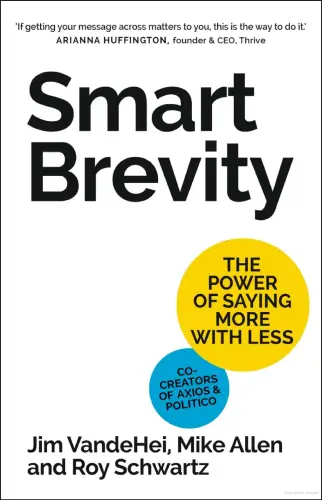
Smart Brevity
Jim VandeHei
The Psychology of Money
Morgan Housel
The First 90 Days
Michael D. Watkins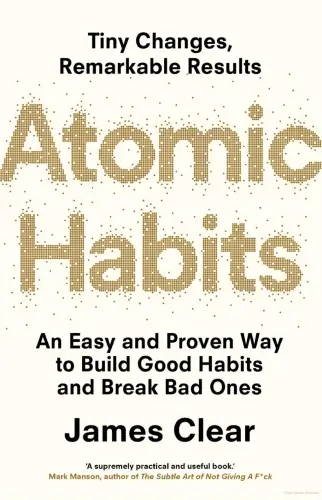
Atomic Habits
James Clear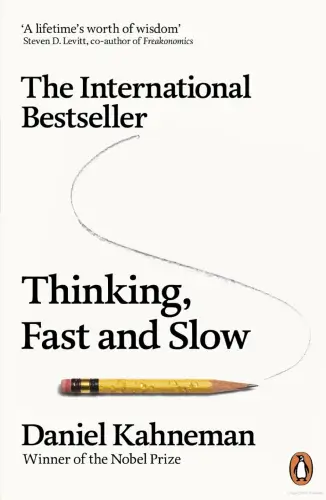
Thinking, Fast and Slow
Daniel Kahneman
The Body Keeps the Score
Bessel van der Kolk M.D.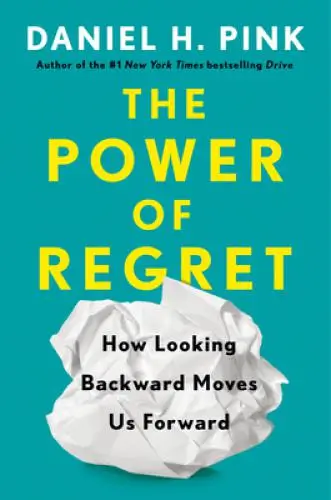
The Power of Regret
Daniel H. Pink
The Compound Effect
Darren HardyNew Books
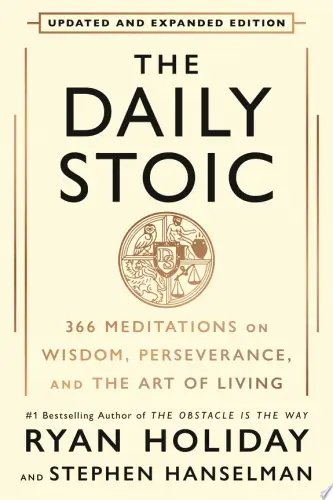
The Daily Stoic 10th Anniversary Edition
Ryan Holiday
How To Talk So Little Kids Will Listen
Joanna Faber
Serpent Rising
Neven PaarSuper Mario Encyclopedia: The Official Guide to the First 30 Years
Nintendo
Make Yourself Unforgettable
Dale Carnegie Training
SCRATCH YOUR OWN ITCH: Turning Personal Needs into Purposeful Action
DR. NEERAJ TIWARI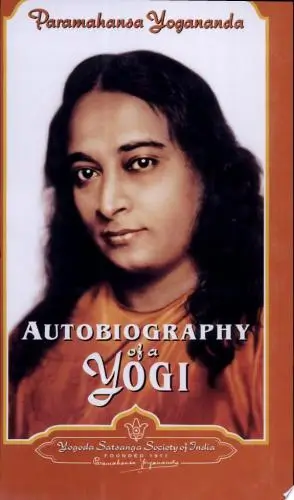
Autobiography of a Yogi
Sri Sri Paramahansa YoganandaBatman: The World
VariousLife in the White House
Robert P. Watson

 Sign up with Google