Attention and Orienting
Sensory and Motivational Processes
What's it about?
Attention and Orienting by Peter J. Lang explores the intricate relationship between attention and our sensory experiences. You will discover how attentional processes shape your perception and influence your interactions with the environment. The book delves into the mechanisms of orienting, offering insights into how you can enhance your focus and responsiveness to stimuli. With a blend of theory and practical applications, it provides you with tools to better understand your attention patterns and improve cognitive performance in daily life.
About the Author
Peter J. Lang is an author known for his insightful exploration of contemporary issues. His works often delve into social dynamics, combining analytical depth with accessible writing. Lang's unique perspective frequently challenges conventional thinking, offering readers fresh viewpoints on complex topics. His narratives are both thought-provoking and engaging.
5 Key Ideas of Attention and Orienting
Harnessing the Power of Focused Attention
Deliberate attention gives power to the mundane, transforming the everyday into an opportunity for greater awareness and understanding.
Consider a painter intently studying her canvas. While viewers see only a blank surface, she begins to see infinite possibilities by concentrating her full attention.
- Focusing attention allows for deeper engagement with tasks, enhancing both enjoyment and performance.
- Through deliberate practice, repeated focus improves cognitive functions like memory and problem-solving.
- Attention training, akin to physical exercises, strengthens the brain's ability to manage distractions effectively.
Dedicate ten minutes today to mindful observation of a simple task, like drinking tea, to enhance your focus capacity.
Avoid multitasking; it scatters attention and diminishes the quality of focus, leaving you with a sense of mental depletion.
The Art of Effective Orienting Response
Mastering the orienting response enables you to swiftly and effectively adapt to new or changing circumstances.
Like a sailor expertly tacking a shifting wind, those who harness orienting responses move smoothly through life's unpredictable changes.
- Orienting responses are fundamental survival mechanisms activated subconsciously, signaling important changes in the environment.
- Consciously practicing adaptation enhances resiliency and preparedness for future disruptions.
- It's scientifically backed that flexible orienting reduces stress and increases problem-solving capabilities in dynamic settings.
When faced with an unexpected event today, take a moment to consciously orient yourself: pause, evaluate the new information, and plan your next step.
Do not react impulsively; mistaking erratic reactions for effective orienting may lead to unnecessary stress or poor decisions.
Engaging in Intentional Mind-Wandering
Directing mind-wandering intentionally balances creative thinking with productivity, unlocking ingenious insights hidden beneath routine thoughts.
Imagine a novelist lost in thought during a walk, seemingly absent, yet crafting a complex plot that surprises even her once she sits down to write.
- Strategically allowing for mind-wandering enhances creativity by linking disparate ideas into novel connections.
- Mind-wandering is shown to boost problem-solving ability by triggering subconscious thought processes outside linear logic.
- Balancing structured concentration with unstructured thinking creates a playground for innovation and stress reduction.
Schedule a 'mind-wandering break' today where for 10 minutes you let your thoughts roam freely without pressure.
Don't confuse intentional mind-wandering with distraction; ensure there's a balance and set clear boundaries to foster creativity without losing focus.
Deeper knowledge. Personal growth. Unlocked.
Unlock this book's key ideas and 15M+ more. Learn with quick, impactful summaries.
Read Full SummarySign up and read for free!
Attention and Orienting Summary: Common Questions
 By Farid Asadi
"Attention determines what we attend to, and what we attend to determines our experiences." This quote perfectly encapsulates the core idea of Attention and Orienting by Peter J. Lang, where he delves into the mechanisms underlying our ability to focus and process information amid distractions. The exploration of how attention is not merely a passive function but an active, dynamic process had me utterly fascinated.
Lang’s research insights on the Orienting Reflexes really hooked me, especially how our biological instincts determine where we direct our focus. The sections discussing the emotional and environmental factors influencing our attention often left me reflecting on my own experiences and how much I've taken them for granted. At times, I found the neuroscientific terminology a bit dense, requiring me to reread passages to fully grasp the implications of his findings.
Overall, I found the book to be a compelling mix of psychology and neuroscience, akin to Daniel Kahneman's Thinking, Fast and Slow. Lang makes a profound case for understanding attention in our modern, distraction-filled lives. I absolutely recommend this book to anyone interested in how our mind operates—it's an eye-opener!
 By Mohammad Yekta
Experience Personalized Book Summaries, Today!
Discover a new way to gain knowledge, and save time.
Sign up for our 7-day trial now.
No Credit Card Needed

Similar Books
Comprehensive Casebook of Cognitive Therapy
Frank M. Dattilio
The Piano Teacher
Elfriede Jelinek
The Courage To Be Disliked
Ichiro Kishimi
We Were Liars
E. Lockhart
The Art of Solution Focused Therapy
Elliott Connie, MA, LPC
The Science of Storytelling
Will Storr
No Longer Human
太宰治
Wanting
Luke Burgis
Mrs Dalloway
Virginia Woolf
The Rational Optimist
Matt RidleyTrending Summaries
Peak
Anders Ericsson
Never Split the Difference
Chris Voss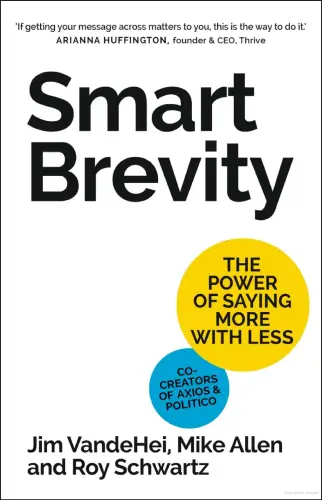
Smart Brevity
Jim VandeHei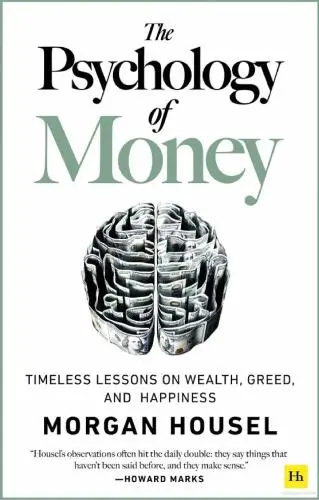
The Psychology of Money
Morgan Housel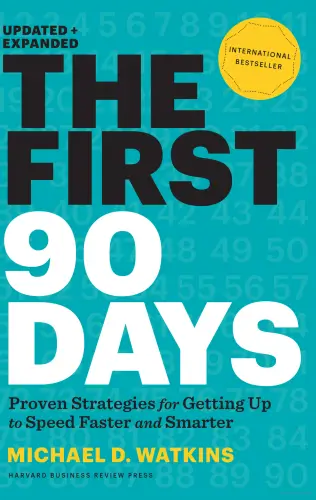
The First 90 Days
Michael D. Watkins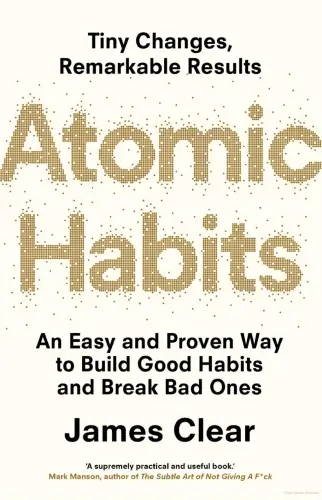
Atomic Habits
James Clear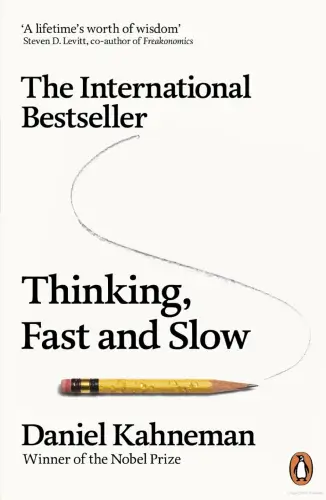
Thinking, Fast and Slow
Daniel Kahneman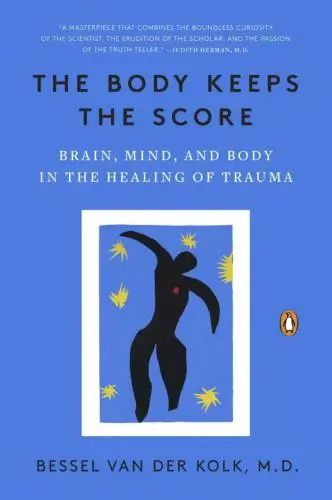
The Body Keeps the Score
Bessel van der Kolk M.D.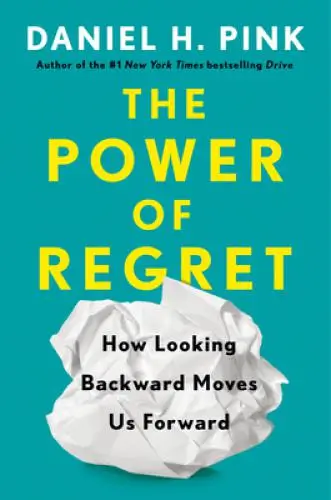
The Power of Regret
Daniel H. Pink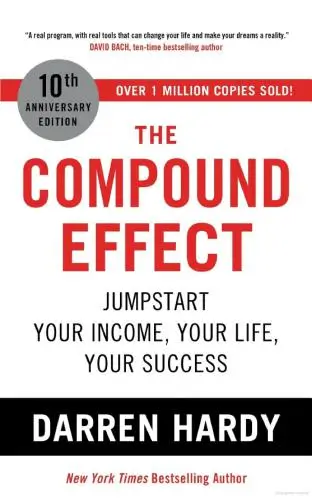
The Compound Effect
Darren HardyNew Books
The Daily Stoic 10th Anniversary Edition
Ryan Holiday
How To Talk So Little Kids Will Listen
Joanna Faber
Serpent Rising
Neven Paar
Super Mario Encyclopedia: The Official Guide to the First 30 Years
Nintendo
Make Yourself Unforgettable
Dale Carnegie Training
SCRATCH YOUR OWN ITCH: Turning Personal Needs into Purposeful Action
DR. NEERAJ TIWARI
Batman: The World
Various
Autobiography of a Yogi
Sri Sri Paramahansa Yogananda
Life in the White House
Robert P. Watson

 Sign up with Google