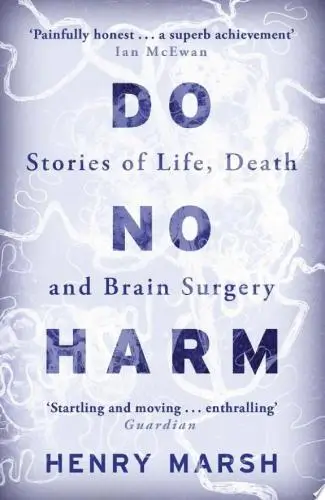
Do No Harm
Stories of Life, Death and Brain Surgery - as seen on 'life-changing' BBC documentary Confessions of a Brain Surgeon
What's it about?
Do No Harm by Henry Marsh offers a profound insight into the world of neurosurgery. You will explore the delicate balance between skill and uncertainty as Marsh shares his experiences with patients facing life-altering decisions. The book emphasizes the importance of compassion and ethics in medicine, inviting you to reflect on the complexities of life, death, and the human condition. Through candid storytelling, you will gain a deeper understanding of the challenges and triumphs that define the medical profession, making it both enlightening and thought-provoking.
About the Author
Henry Marsh is a British neurosurgeon and author known for his candid memoirs like "Do No Harm" and "Admissions." His writing offers an insightful exploration of the complexities and ethical dilemmas of neurosurgery, blending medical expertise with human vulnerability and philosophical reflections.
5 Key Ideas of Do No Harm
Embrace Human Imperfection
Accepting and learning from our mistakes leads to greater compassion and understanding.
I vividly recall a surgery early in my career that didn’t go as planned. Instead of wallowing in guilt, I chose to reflect and improve, which in turn made me a better surgeon.
- Mistakes are inevitable but provide invaluable learning opportunities.
- Recognizing our flaws fosters empathy towards others.
- Learning from errors enhances personal growth and professional skills.
Take a moment today to reflect on a recent mistake, jot down what you learned, and how it might inform future decisions.
Avoid blaming external factors for every mistake; introspection is key to genuine learning.
Find Balance in Passion and Detachment
Balancing emotional involvement with professional detachment allows for effective decision-making.
During particularly intense surgeries, keeping a cool head and a warm heart ensured not only procedural success but also humane patient care.
- Passion drives excellence but can cloud judgment if unchecked.
- Detached observation prevents burnout and emotional exhaustion.
- Finding this equilibrium ensures both compassion and competence.
Practice a moment of mindfulness before engaging in stress-filled tasks to balance your emotional and professional state.
Steer clear of complete emotional detachment; it might deteriorate your connection with those you serve or work with.
Communicate Transparently, Especially in Crisis
Clear, honest communication, even when difficult, reduces anxiety and builds trust.
I remember breaking bad news to a patient’s family. Despite the somber truth, they appreciated the candor, which helped them cope and plan ahead.
- Transparency avoids misunderstandings and builds stronger relationships.
- Even negative truths are better than hopeful falsehoods in the long run.
- Open communication fosters trust and cooperation with colleagues and loved ones.
Identify a communication you’ve been avoiding and plan how to convey your message with honesty and empathy.
Avoid sugar-coating or withholding information to spare feelings; it often leads to greater problems later.
Deeper knowledge. Personal growth. Unlocked.
Unlock this book's key ideas and 15M+ more. Learn with quick, impactful summaries.
Read Full SummarySign up and read for free!
Do No Harm Summary: Common Questions
 By Farid Asadi
Do No Harm focuses on the moral and ethical dilemmas faced by neurosurgeon Henry Marsh as he navigates the complexities of brain surgery, patient care, and the impact of his decisions on lives.
 By Mohammad Yekta
Experience Personalized Book Summaries, Today!
Discover a new way to gain knowledge, and save time.
Sign up for our 7-day trial now.
No Credit Card Needed
Similar Books
TOP KNIFE: The Art & Craft of Trauma Surgery
Asher Hirshberg,
Diagnostic Hematology
Norman Beck
2 Weeks to Feeling Great
Gabriela Peacock
The Feeling Great! Wellness Program for Older Adults
Jules C Weiss
Autoimmunity and Autoimmune Disease
David Evered
Outlive
Peter Attia
Nudge
Richard H. Thaler
Why We Sleep
Matthew Walker
This is Going to Hurt
Adam Kay
This Is Your Brain on Joy
Earl HenslinTrending Summaries
Peak
Anders Ericsson
Never Split the Difference
Chris Voss
Smart Brevity
Jim VandeHei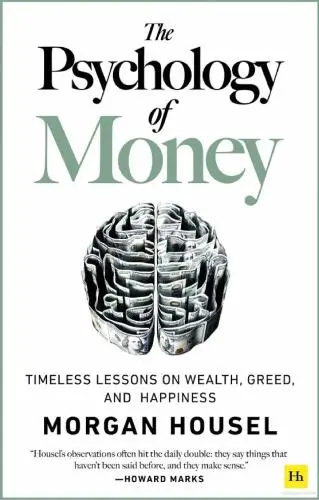
The Psychology of Money
Morgan Housel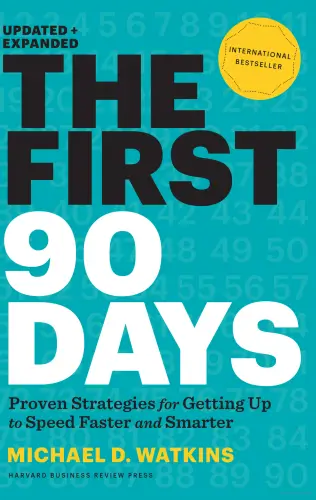
The First 90 Days
Michael D. Watkins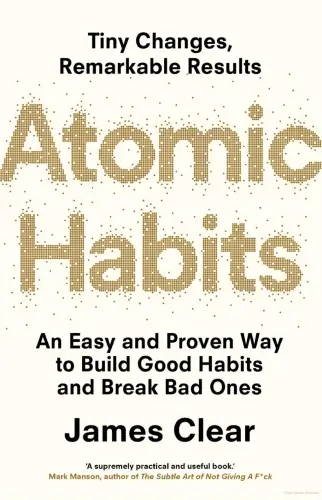
Atomic Habits
James Clear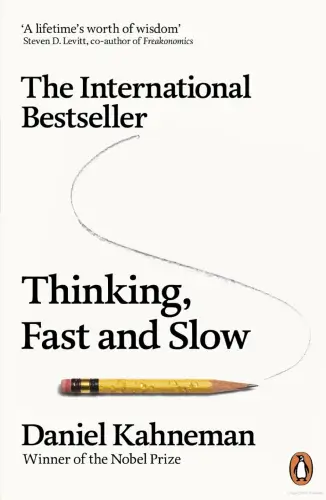
Thinking, Fast and Slow
Daniel Kahneman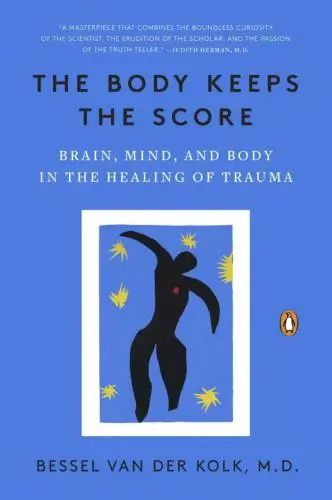
The Body Keeps the Score
Bessel van der Kolk M.D.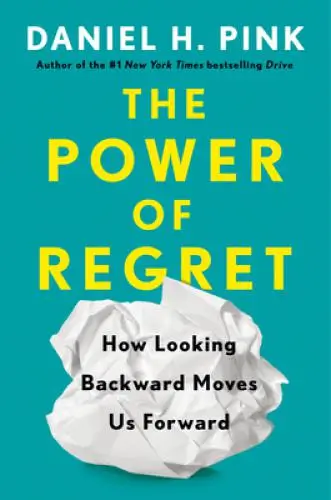
The Power of Regret
Daniel H. Pink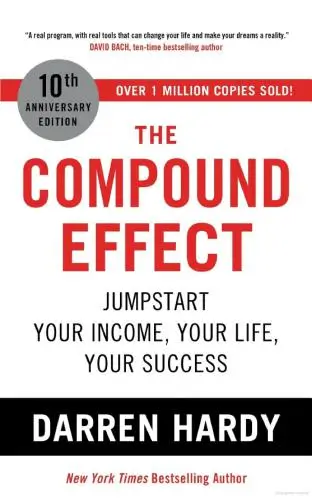
The Compound Effect
Darren HardyNew Books
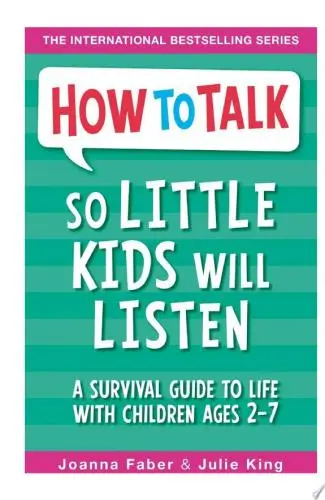
How To Talk So Little Kids Will Listen
Joanna Faber
Serpent Rising
Neven Paar
Super Mario Encyclopedia: The Official Guide to the First 30 Years
Nintendo
Make Yourself Unforgettable
Dale Carnegie Training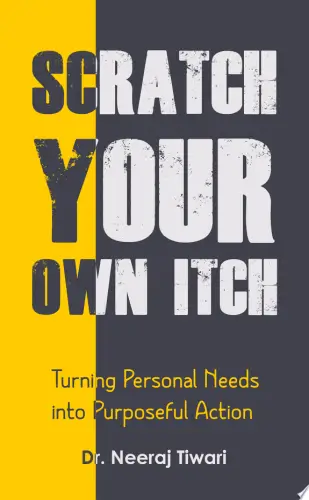
SCRATCH YOUR OWN ITCH: Turning Personal Needs into Purposeful Action
DR. NEERAJ TIWARI
Autobiography of a Yogi
Sri Sri Paramahansa Yogananda
Batman: The World
Various
Life in the White House
Robert P. Watson
Attention and Orienting
Peter J. Lang
 Sign up with Google